

-
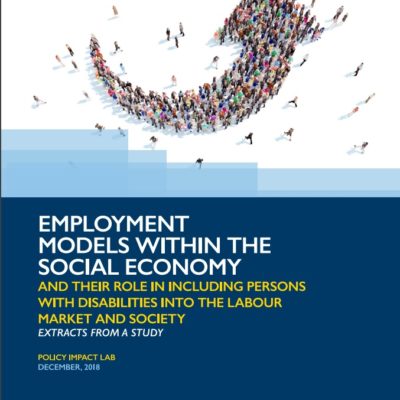
Employment Models within Social Economy and role in including PWD into Labour Market and Society
The study aims to address a gap in research and understanding on the quality of inclusion of PWD in social economy enterprises, including so-called Work Integration Social Enterprises (WISEs). In December 2018, EPR and EASPD co-hosted a public affairs event about the employment models within the social economy, where the research from this study was […]
Read more > -
EPR mini study of Good Practices on Staff Engagement, Motivation and Retention
For over twenty-five years, EPR has been supporting its members in identifying the factors that will allow them to increase the quality of rehabilitation service to person with disabilities (PWD). This compendium of good practices in staff engagement, motivation and retention looks at success factors from the five organisations APPACDM de Coimbra (PT), The Cedar […]
Read more > -
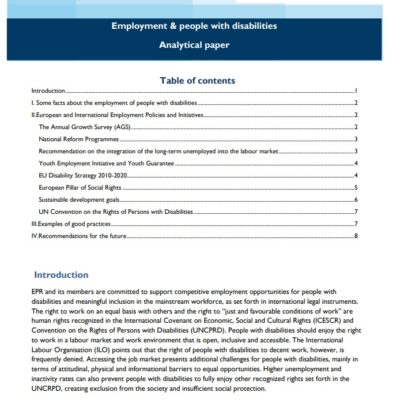
EPR Analytical Paper on Employment of People with Disabilities
EPR promotes the development of quality services to overcome barrier to the employment of people with disabilities. This paper analyses the impact that key EU policies have on EPR members’ sectors of work, showcases examples of good practices in the delivery of service from members and provides recommendations. The aim of the paper is to […]
Read more > -
EPR Toolkit on Partnerships with Employers
Why this toolkit? In working towards a more inclusive labour market, social service providers building partnerships with employers is essential because it can lead to a more in depth and long-lasting cooperation and therefore greater success in the employment of PWD in the mainstream labour market. The more employers employ PWD, the more employers will […]
Read more > -
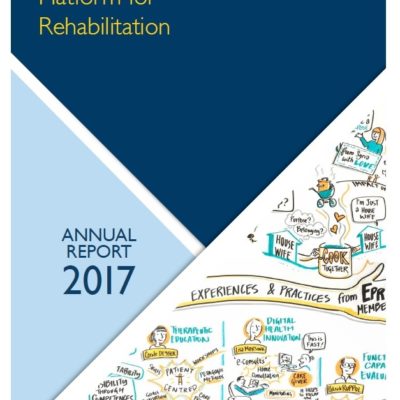
EPR Annual Report 2017
In 2017 EPR kept working to provide mutual learning opportunities to its members, service providers to persons with disabilities, through professional development activities such as study visits, workshops or trainings together with engaging in policy development activities at EU level as part of the Social Services Europe network or the Social Platform. Our Annual Conference […]
Read more > -
Report on transition services
The purpose of this Report (2014) is to understand the various programmes and approaches that EPR members are using with transition age youth (ages 14 to 24 and beyond) to increase their independence and inclusion in the community. Based on these programmes and approaches, there are specific themes that are replicated among the EPR members […]
Read more > -
EPR Compendium of good practices
Employment, Mental Health, Quality and Community-based and mainstreamed services are some of our members’ key areas of work. Between 2014 and 2017 EPR received funding from the EU EaSI Programme, which among other activities, allowed us to promote good practices on these four themes of service provision. To raise awareness of the good practices on […]
Read more > -
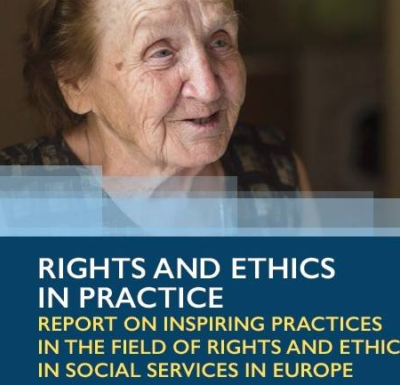
EPR publishes study on Rights and Ethics
In November 2017 EPR published a study on Rights and Ethics in practice in the social services sector. Authored by the EQUASS manager, Marie Dubost, this study showcases five case studies collected as inspiring practices from Ampans, REA College, Associacio do Porto de Paralisis Cerebral, Irmas Hospitaleiras and Theotokos Foundation. The publication and content was […]
Read more > -
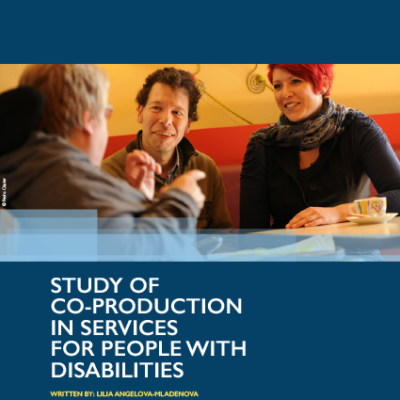
EPR study on co-production in services for people with disabilities
This study looks at practices of EPR members of co-production in service delivery with a focus on services for people with disabilities. It can be a useful resource for service providers, people with disabilities and organisations of people with disabiltiies, policy and decision makers at local, regional and natioanl level and also the European Union […]
Read more > -

Challenges and opportunities for the integration of migrants in Europe
The integration of migrants is a pressing issue in Europe due to the large numbers of migrants that entered Europe during the past two decades. The most recent surge is fuelled by the growing numbers of Syrians, Iraqis, Libyans, Afghans and Eritreans escaping war, ethnic conflict or economic hardship risking their lives trying to reach […]
Read more >
-
EQUASS
The European Quality in Social Services (EQUASS) is an initiative of the European Platform for Rehabilitation (EPR). EQUASS enhances the social sector by engaging social service providers in continuous improvement, learning and development, in order to guarantee service users quality of services throughout Europe.

-
 This website received support from the European Union’s Citizens, Equality, Rights and Values (CERV) programme. For further information please click here.
European Platform for Rehabilitation – Avenue des Arts, 8 – 1210 Brussels – Belgium
Tel. +32 2 736 54 44 – mail: epr@epr.eu
Co-funded by the European Union. Views and opinions expressed are however those of the author(s) only and do not necessarily reflect those of the European Union or the granting authority. Neither the European Union nor the granting authority can be held responsible for them.
Copyright © 2017 - 2026 | Privacy Policy | Cookie Policy ALYS